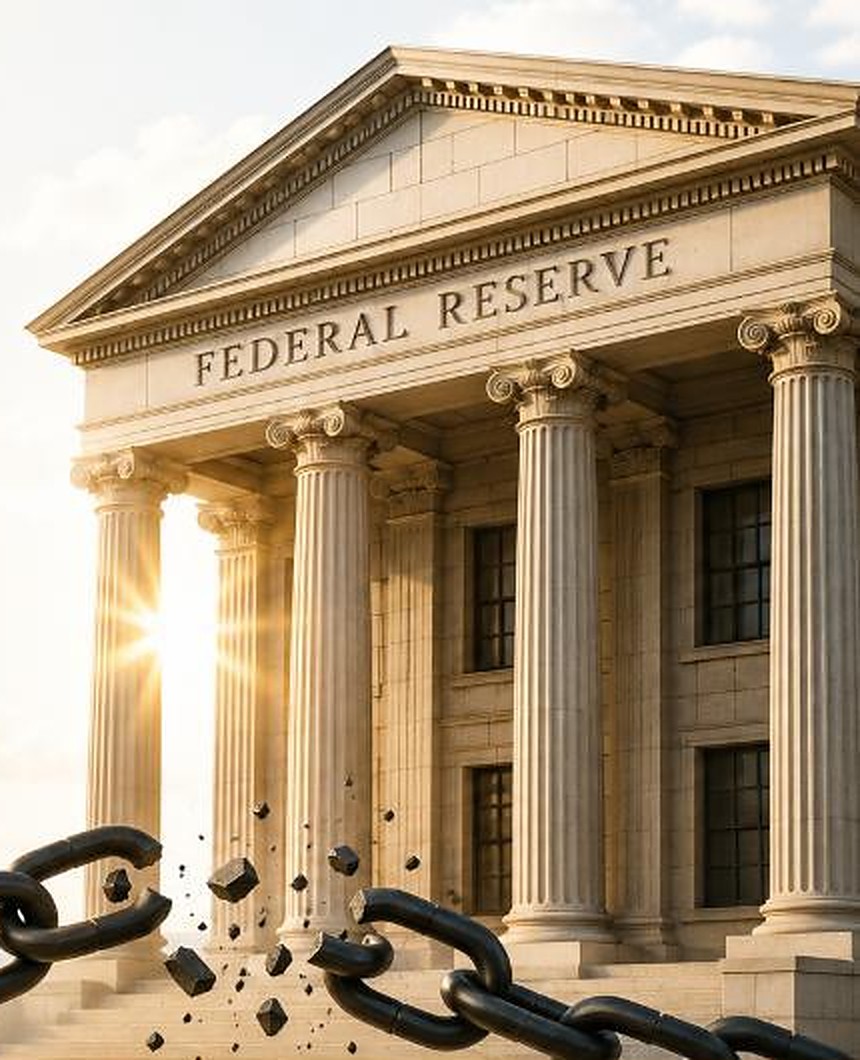
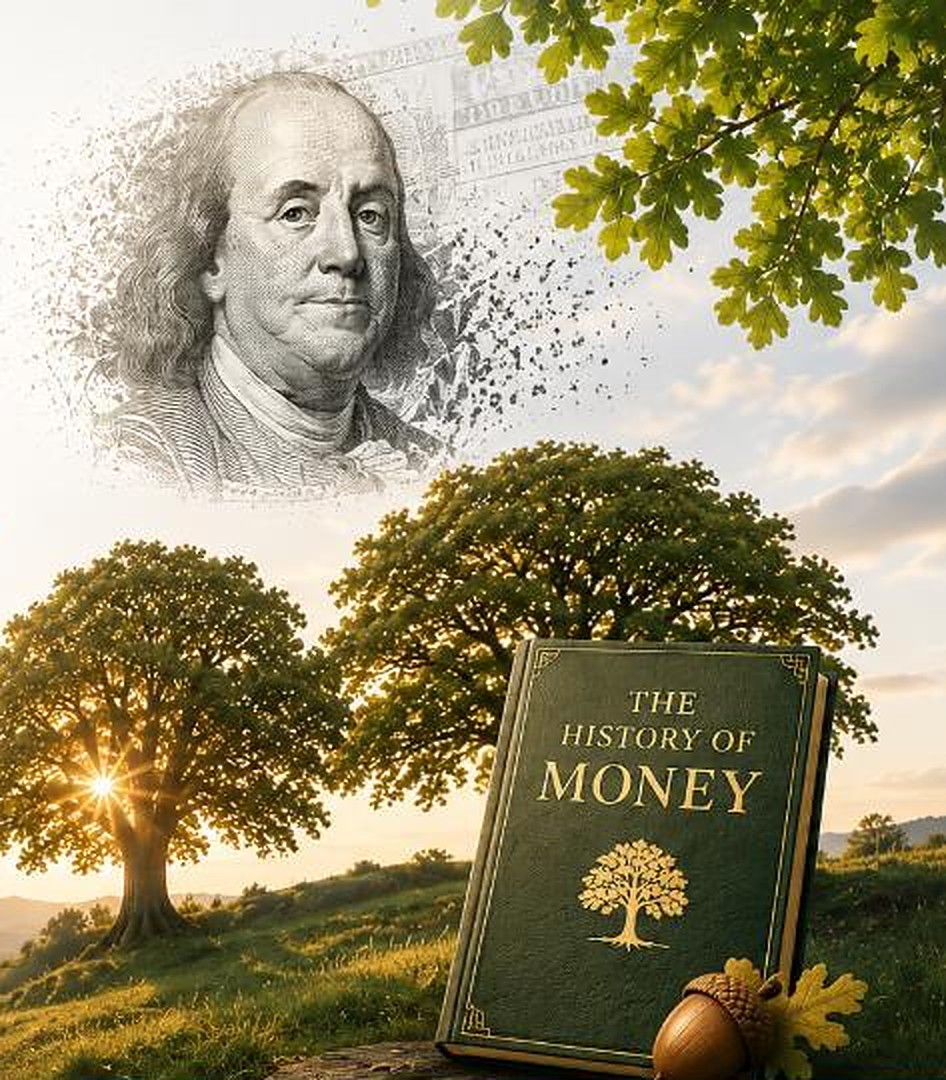
Money isn't money.
What if the dollars in your bank account only have value because everyone agrees they do? Understanding this changes how you think about wealth.
Money isn't money.
What if the dollars in your bank account only have value because everyone agrees they do?
Understanding this changes how you think about wealth.
What is money, really?
Throughout history, people have used many different things as money.
Different objects. Same basic idea.
People collectively agree they represent value.
- Money is not the same as wealth.
- Wealth is what you own and control.
- A properly structured trust puts that control in your hands.
Through stewardship & structure, you don't just build wealth — you build legacy.
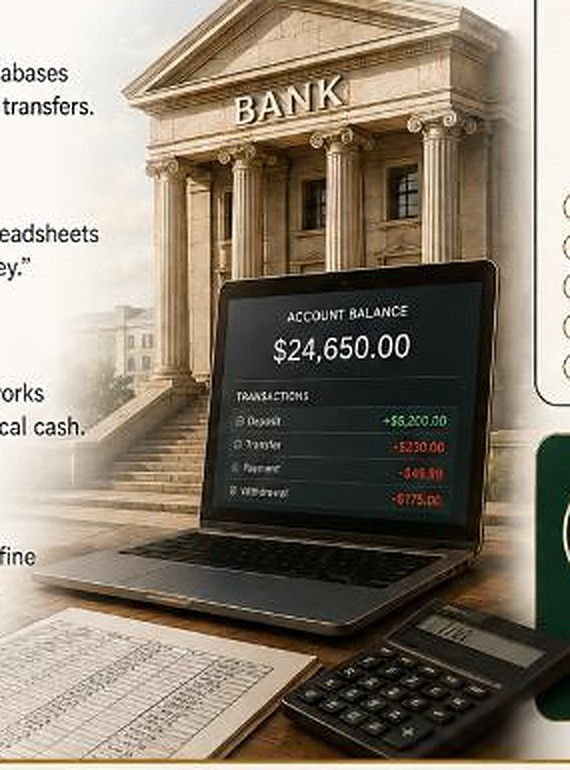
It's numbers recorded inside a financial system.
Real Money
- Tangible
- Scarce
- Universal
- Stores Value
- Outside the System
System Money
- Intangible
- Created from Thin Air
- Limited to the System
- Can Be Inflated
- Controlled by Institutions
The financial system runs on trust in numbers — not truth in value.
1933: Americans were ordered to turn in gold
President Franklin D. Roosevelt issued Executive Order 6102, restricting private monetary-gold ownership and requiring much of it to be delivered to the government in exchange for paper dollars.
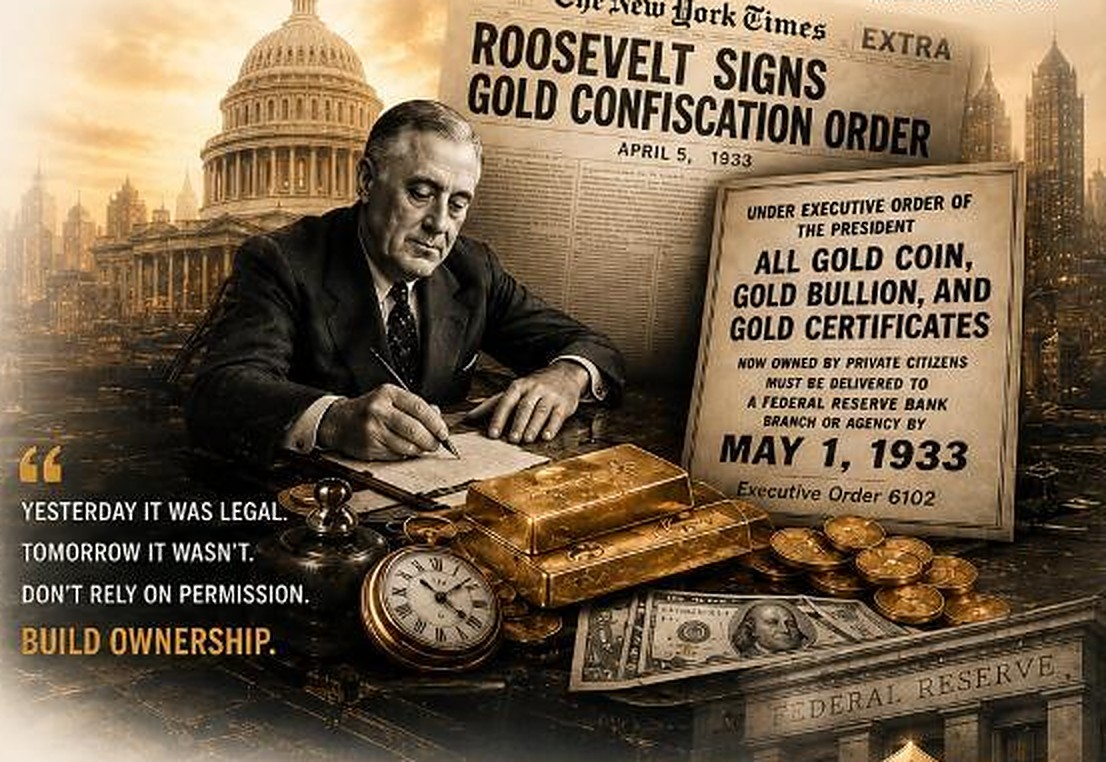
"Yesterday it was legal. Tomorrow it wasn't. Don't rely on permission. Build ownership."
Something you legally own today can still be affected tomorrow by changes in laws, monetary policy, and government regulation.
Historical events shown for educational purposes. Use this knowledge to build a future of control, not dependency.
Our team will show you how to legally remove yourself from the system and protect your wealth for generations.
Debt drives the machine.
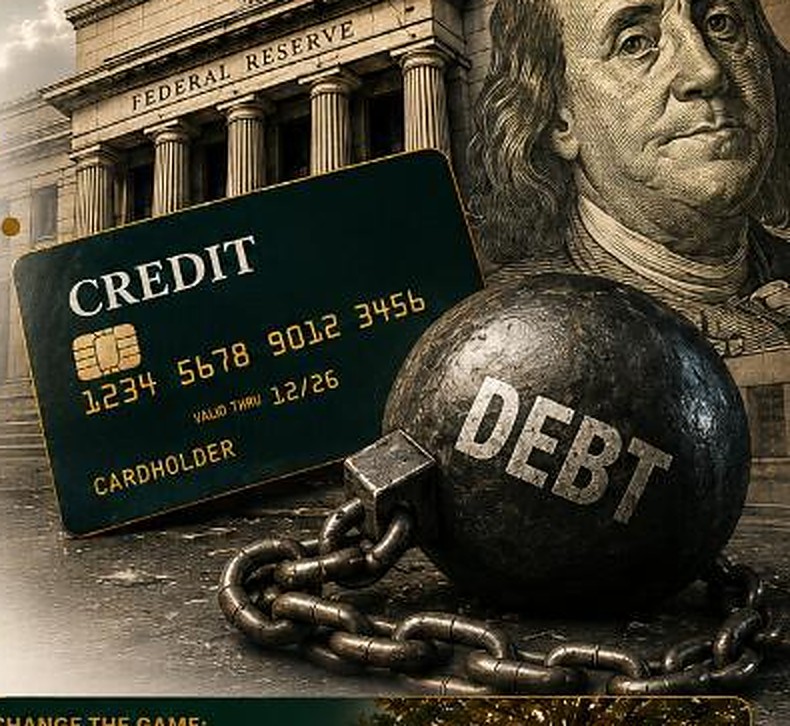
Modern economies rely heavily on:
Banks lend.
Financial institutions create credit and profit from it.
Consumers borrow.
Credit cards, loans, mortgages and leases become normal.
Businesses borrow.
Expansion, inventory, payroll and operations are funded by debt.
Governments issue debt.
To fund spending today and pass the bill to tomorrow.
Meanwhile, inflation steadily reduces the purchasing power of your dollars.
Most people respond by trying to:
- Understand how money is created.
- Reduce or eliminate unnecessary debt.
- Keep more of what you earn.
- Build assets that grow for you.
- Use trusts and structure to keep control.
Stop thinking like a consumer.
The system runs on debt.
Most people are taught this cycle:
You can work hard your entire life and still remain dependent on your next paycheck or distribution to maintain what you own.
This is why trusts, business entities, insurance and estate planning have been used for generations.
The system wasn't built for freedom.